Treatment comparison
XERF vs Ultherapy
XERF is our preferred option for clients who want gradual firming with a comfortable appointment and little interruption afterward. Ultherapy treats a deeper tissue layer and may suit more pronounced laxity, but it can involve greater discomfort and tenderness. XERF also gives the skin an immediate refreshed appearance while collagen changes continue to develop.
Last updated October 7, 2026
Our approach
XERF
The surface refiner
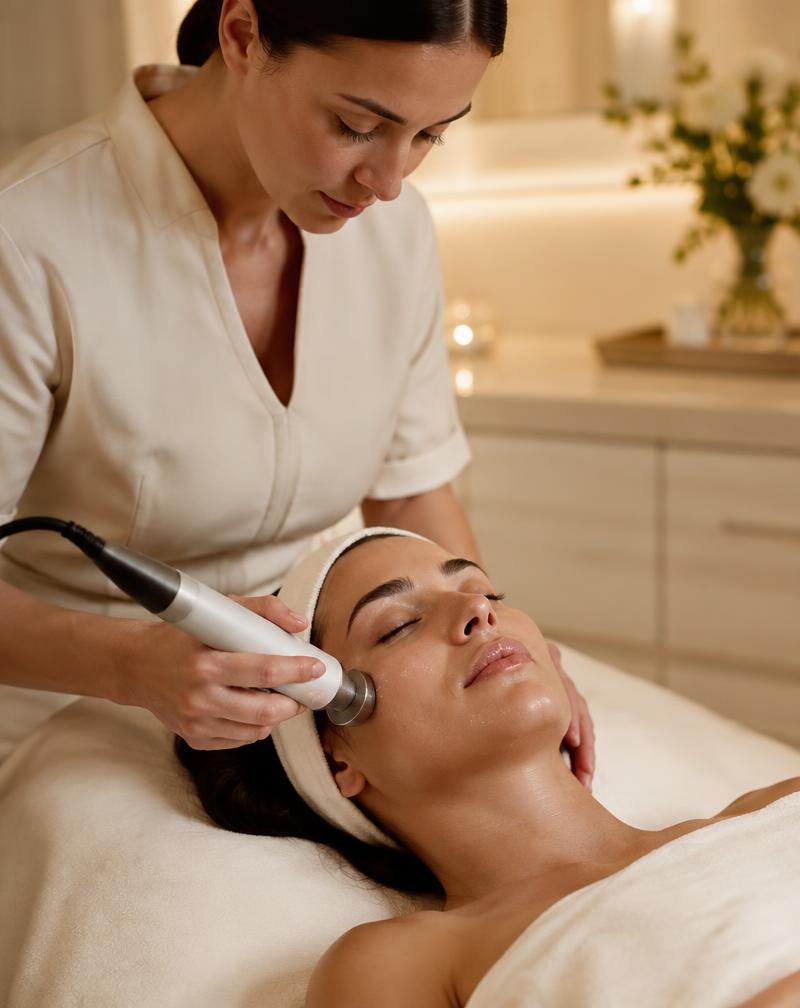
XERF is the monopolar radiofrequency treatment offered at all three Joanna Vargas spas. It warms the dermis evenly to support collagen remodeling. Skin often looks refreshed after the appointment, with firmness continuing to develop over the following weeks.
Fine lines, texture, pore size and overall firmness with an event-ready glow.
Monopolar radiofrequency warms the upper dermis to contract collagen and spark new production.
None. A mild flush can last up to 30 minutes and makeup goes on right after.
A short series builds the best result, then seasonal maintenance keeps it.
Ultherapy
The deep sculptor
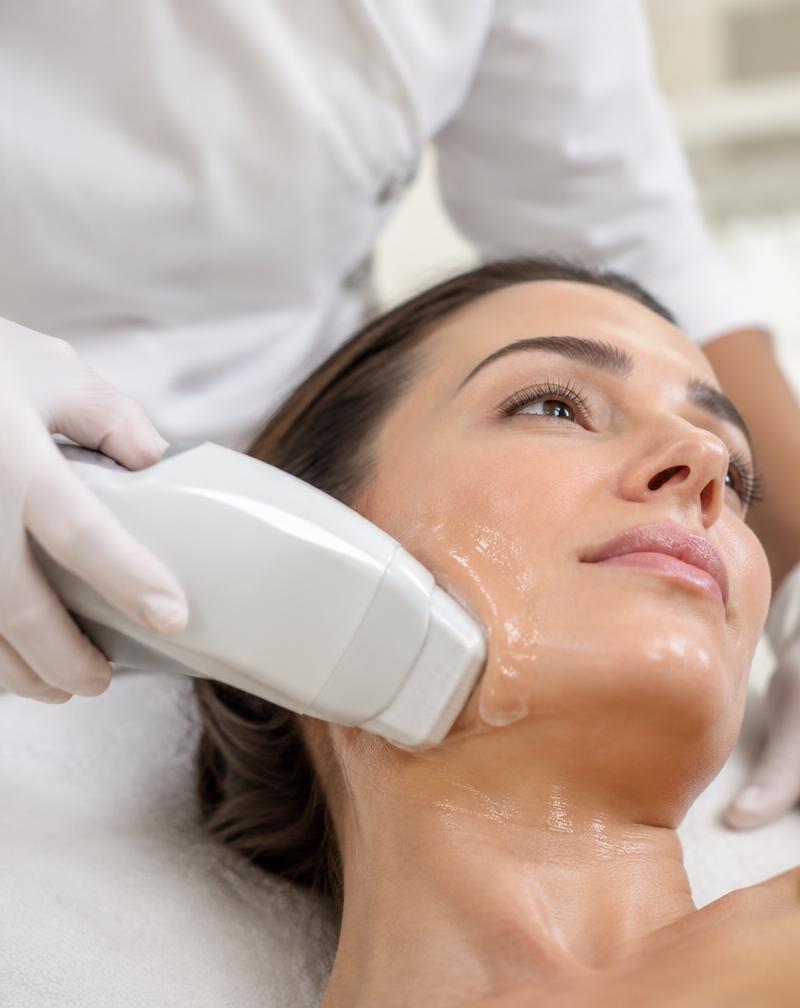
Ultherapy uses micro-focused ultrasound to reach the deeper structural layer that surgery addresses, drawing a gradual lift out of the body's own healing response. It is a longer session and the intensity is real, which is why many first try radiofrequency first.
Jawline definition, brow lifting and noticeable skin laxity.
Micro-focused ultrasound delivers heat at set depths to trigger a tightening response.
Minimal but not zero; tenderness along the jaw can last two to three days.
Often a single long session, with results appearing over three to six months.
Not offered at our spas
The difference
Why XERF is the better choice
Both treatments support collagen production, but they differ in depth, comfort and the timing of visible changes. We prefer XERF for clients seeking a comfortable treatment with minimal recovery.
- Comfort: XERF feels warm and generally requires no numbing. Ultherapy delivers deeper pulses that some clients find uncomfortable, and tenderness can continue after the appointment.
- Timing: XERF can leave skin looking refreshed soon after treatment, while collagen changes from both options develop gradually.
- Recovery: Most XERF clients return to their day immediately and can apply makeup afterward.
- Suitability: A senior esthetician evaluates your skin first. More pronounced laxity may call for a treatment that reaches deeper tissue.
Not sure which path is right for you?
Every face is different. Our senior estheticians build each treatment around your skin, and the two-minute Skin Code Quiz points you to the right starting place.
Take the Skin QuizQuestions about XERF vs Ultherapy
Is XERF or Ultherapy better for sagging skin?
For mild to moderate laxity, XERF tightens and smooths with no recovery time. For pronounced sagging along the jaw or brow, Ultherapy reaches a deeper layer, and some clients step up to it after starting with radiofrequency.
Does XERF hurt less than Ultherapy?
Yes for most clients. XERF feels like a warm massage and needs no numbing. Ultherapy delivers quick, deeper bursts of heat that many describe as uncomfortable, and the area can stay tender for a few days.
How long do the results of each last?
Both stimulate your own collagen, so results fade as natural aging continues. XERF results are visible immediately and build over about three months; Ultherapy results peak between three and six months and are maintained with occasional retreatment.
More comparisons
About the expert
Reviewed by Joanna Vargas, celebrity facialist, founder of the Joanna Vargas spas and skincare line, and author of Glow From Within.